February 24, 2026



 Written by IPTVSMARTERSPRO-UK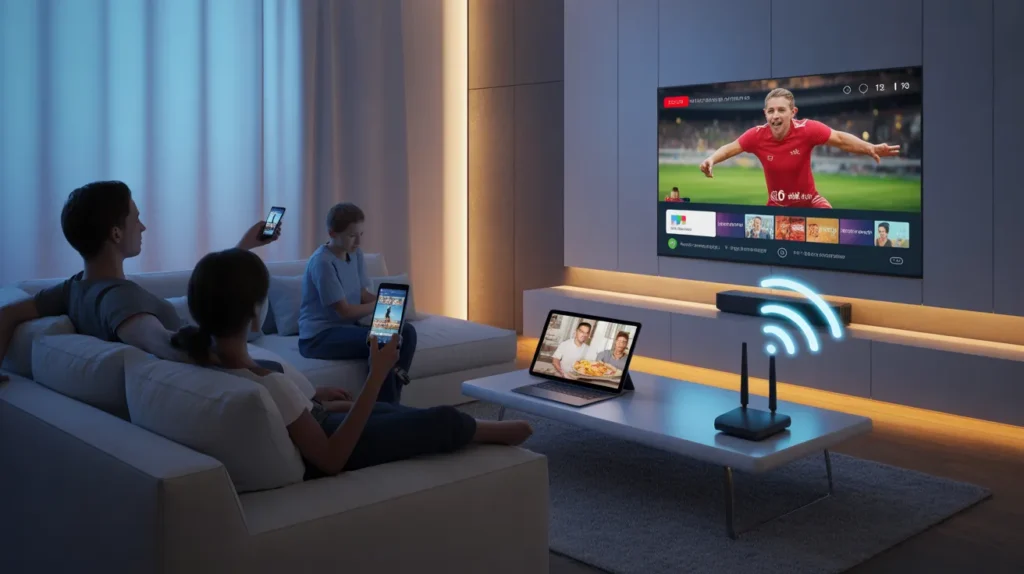
In today’s connected world, entertainment is no longer limited to a single screen in the living room. Families stream movies in bedrooms, watch sports in the kitchen, and enjoy series on tablets and smart TVs throughout the house. This shift in viewing habits has led to the rapid growth of multiroom iptv, a solution designed to bring seamless television access to multiple rooms under one system.
As more households move away from traditional cable and satellite subscriptions, flexibility and convenience have become essential. multiroom iptv allows users to stream live TV channels, on-demand content, and premium programming across different devices and rooms without the need for separate subscriptions or complicated wiring. It combines efficiency, affordability, and modern technology into a single entertainment solution.
In this comprehensive guide, we’ll explore how multiroom iptv works, its benefits, how to set it up, and why it’s becoming a must-have feature for modern homes.
IPTV stands for Internet Protocol Television. Unlike traditional broadcasting methods that rely on satellite signals or cable infrastructure, IPTV delivers television content over an internet connection. This means viewers can stream live TV, movies, and series directly through broadband services.
Instead of being tied to one cable box per television, IPTV systems use apps or dedicated devices that connect to your network. Content is transmitted digitally, offering improved quality, greater flexibility, and access to international channels that might not be available through standard providers.
The real innovation comes when IPTV expands beyond a single screen. That’s where multiroom iptv truly transforms the viewing experience by distributing content efficiently throughout the entire household.
Modern households often have multiple smart TVs, streaming sticks, tablets, and smartphones connected to the same Wi-Fi network. Multi-room streaming technology leverages this connectivity to deliver synchronized or independent streams across devices.
With multiroom iptv, users typically install an IPTV application or use compatible hardware in each room. These devices connect to the same subscription service, allowing multiple streams simultaneously. Some systems offer centralized management, while others allow each room to operate independently.
For example, one family member can watch live football in the living room, while another streams a movie in the bedroom, and someone else watches a documentary in the office — all without interruption.
Traditional cable providers often charge extra for additional boxes or room connections. multiroom iptv eliminates much of that expense by operating through internet-based systems. Instead of paying for multiple hardware rentals, users can often stream on compatible devices they already own.
One of the biggest advantages of multiroom iptv is flexibility. You’re no longer restricted to watching specific content in one room. Each user can choose what they want to watch, when they want to watch it, without affecting others in the household.
Cable installations can involve drilling, wiring, and technician visits. IPTV systems typically require only a stable internet connection and device setup. This reduces installation time and eliminates complex infrastructure.
Many IPTV services offer HD, Full HD, and even 4K streaming options. Since content is delivered digitally, picture clarity and sound quality are often superior to traditional broadcasting methods.
Some IPTV systems provide dashboards or parental control settings, making it easier to manage what different users can access in each room.
Setting up multiroom iptv is easier than many people expect. While specific steps may vary depending on your provider and devices, the general process remains straightforward.
A strong and stable broadband connection is essential. Since multiple streams may run simultaneously, higher speeds are recommended — especially for HD or 4K content.
Smart TVs, Android boxes, Fire TV devices, Apple TV, tablets, and smartphones are commonly used. Ensure each device supports IPTV applications.
Download the recommended IPTV app provided by your service. Log in using your subscription credentials on each device.
Depending on your subscription plan, configure the number of simultaneous streams allowed. Some services limit concurrent viewing, so choose a plan that suits your household size.
Consider using wired Ethernet connections for main TVs to reduce buffering. Mesh Wi-Fi systems can also improve coverage throughout larger homes.
When selecting a provider for multiroom iptv, consider several factors beyond price.
Research reviews and check for transparency before committing to a long-term plan.
Security is another important aspect of multiroom iptv. Because IPTV operates over internet connections, users should take precautions to protect their networks.
Using strong Wi-Fi passwords, updating router firmware, and installing security software can help safeguard devices. Some users also prefer VPN services to enhance privacy while streaming.
Always verify that your IPTV provider operates legally within your region and complies with broadcasting regulations.
For families, multiroom iptv creates harmony in shared spaces. Instead of arguing over the remote, each person can enjoy personalized content in different rooms.
Parents can monitor children’s viewing habits, create restricted profiles, and ensure age-appropriate content. Meanwhile, adults can access sports packages, news channels, and movie libraries independently.
This flexibility supports diverse entertainment preferences while keeping everyone satisfied.
Although often associated with residential use, multi-room IPTV systems are also valuable in commercial settings. Hotels, gyms, waiting rooms, and office spaces benefit from centralized streaming solutions.
Hotels can provide personalized channel packages in each room. Fitness centers can stream different programs in separate workout areas. Offices can display news or company announcements across multiple screens.
The scalability of IPTV makes it adaptable for both small and large-scale operations.
Buffering usually indicates insufficient bandwidth. Upgrading your internet speed or reducing simultaneous streams can help.
Ensure applications are updated to the latest version. Restarting the device often resolves temporary glitches.
Check router placement and signal strength. Wired connections typically offer more stability than wireless connections.
Streaming continues to dominate global entertainment trends. As smart home technology evolves, integrated systems will become more common. IPTV platforms are expected to incorporate AI-driven recommendations, voice control integration, and improved cloud-based recording features.
Ultimately, multiroom iptv represents the next step in personalized, household-wide entertainment. It aligns with modern lifestyles that demand flexibility, accessibility, and high-quality streaming experiences.
The days of being restricted to one television and one viewing schedule are over. Households now demand convenience, customization, and cost-effective solutions. IPTV technology answers these demands by delivering content through internet-based systems rather than outdated infrastructure.
By expanding IPTV capabilities across multiple rooms, families gain control over their entertainment environment. Whether for residential comfort or commercial functionality, multi-room streaming offers unmatched versatility.
If you’re considering upgrading your home entertainment setup, exploring a reliable IPTV solution could be the step that transforms how your household watches television.
© IPTV Smarters Pro UK - iptv subscribe

You cannot copy content of this page